
Science Writers: UK Science Journalism Conference Archive and Research

Welcome to our deep dive into UK science journalism, where we unpack the complex science behind gambling, from brain chemistry to probability. This archive is a resource for understanding the rigorous research and debates at the intersection of neuroscience, statistics, and public policy. We track how UK science writers translate intricate findings into stories that matter.
Our UK Science Journalism Conference Archive
We curate key insights from events like the UK Conference of Science Journalists and the British Science Festival, highlighting panels on risk communication and public trust. These gatherings are where the profession sharpens its tools, debates ethics, and confronts the challenges of reporting on complex, commercially sensitive science.
Key Annual Events We Cover
Our archive focuses on pivotal UK forums where science journalism is both practiced and scrutinised:
- The UK Conference of Science Journalists: A key networking and development event, directly addressing skills for investigating topics like gambling research.
- The British Science Festival: Often features sessions on the science of risk and chance, providing fertile ground for journalists to source new stories.
- Specialist symposia hosted by universities and research charities on behavioural science and data modelling.
Notable Speakers and Sessions
We document presentations from leading academics and journalists. Past highlights include neuroscientists explaining the brain’s response to gambling cues, statisticians deconstructing ‘hot streak’ myths, and ethicists discussing the media’s role.
The Neuroscience of Gambling and Slot Machines
Our editorial explores how UK research reveals the brain’s reward pathways exploited by modern gaming machines. This isn’t just about willpower; it’s about how technology is designed to hijack fundamental neurological processes.
Dopamine, ‘Near Misses’ and Illusion of Control
Research shows how slot machines manipulate dopamine release. Features like ‘near misses’ (where two jackpot symbols line up) are processed by the brain similarly to a win, reinforcing play despite a loss. This fuels a powerful illusion of control over random events.
The Design of Addictive Technology
Modern gambling products are a masterclass in applied neuroscience. Fast spin rates, sensory feedback, and ‘losses disguised as wins’ are all engineered to sustain engagement. Understanding this design is crucial for critical reporting.
UK Universities Leading Probability & Casino Research
We follow probability research at institutions like the University of Manchester and Oxford, analysing statistical models that underpin games and inform harm reduction. Beyond the casino floor lies a world of rigorous mathematics and behavioural economics.
The Mathematics of ‘Random’ Outcomes
UK statisticians dissect the true odds of games, revealing the immutable house edge. Their work demystifies concepts like Random Number Generator (RNG) integrity and the statistical certainty of long-term loss for the player.
Behavioural Economics in Betting
How do cognitive biases like the ‘gambler’s fallacy’ influence behaviour? UK academics study how people misinterpret probability and why they chase losses. This research is vital for explaining the ‘why’ behind gambling decisions.
Our Informed, Opinionated Take on the Science
Here’s where our team argues for stronger evidence-based reporting, critiques industry narratives, and champions the work of UK science writers in this contentious field.
Why This Science Matters for Public Policy
The science of gambling is a public health issue. Robust reporting on neuroscience and probability should directly inform debates on legislation, advertising restrictions, and the funding of treatment services.
Bridging the Gap Between Labs and News Desks
UK science writers play a crucial translational role. They turn complex papers on dopamine or statistical simulations into compelling narratives that empower readers and policymakers to make informed choices.
In conclusion, critical science journalism is essential for navigating the complex interplay between gambling innovation, academic research, and public health in the UK. Explore our archive to deepen your understanding and support evidence-based discourse.
-
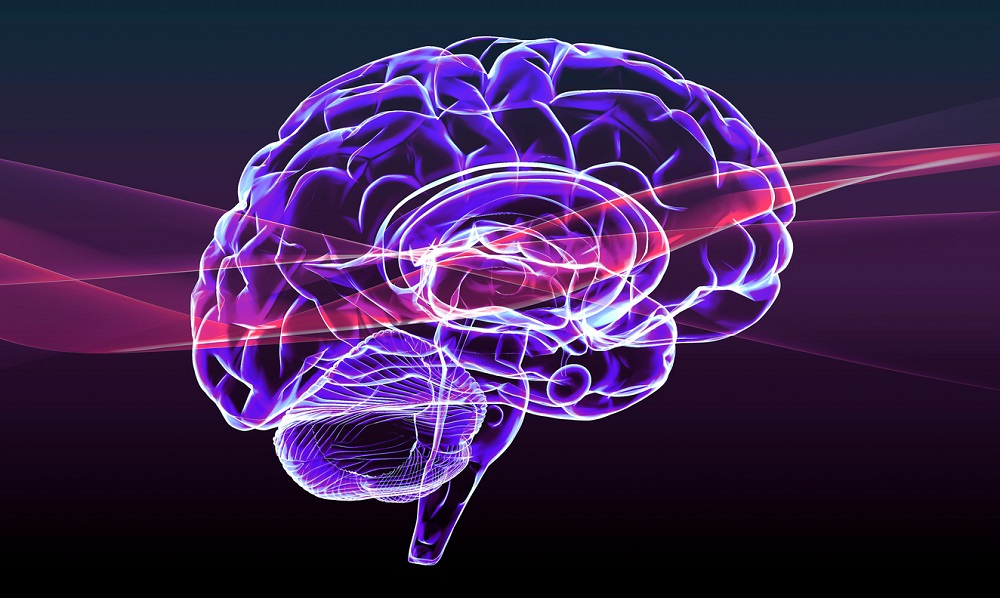
The Neuroscience of Gambling: What UK Researchers Know in 2026
As we survey the UK’s transformed betting landscape in 2026, characterised by ubiquitous digital platforms and sophisticated game design, a pressing question remains: what is it about gambling that can override rational decision-making? The answer lies not in luck, but in the intricate wiring of the human brain. Our editorial team, in line with the…
-

The Science of Chance: Probability Research in Casino Games
Behind the flashing lights and palpable anticipation of a casino floor lies a world governed by rigorous mathematics. In the UK, a nexus of academic institutions, regulatory bodies, and independent researchers is dedicated to uncovering the precise mathematical frameworks that dictate outcomes in games from slots to blackjack. This research not only demystifies the mechanics…
-

How British Science Journalists Cover the Gambling Industry and Addiction Studies
When the UK’s gambling industry hits the headlines, a distinct group of journalists armed with research papers and a critical eye are often the ones breaking down the science behind the spin. At Science Writers 2011, our focus on the UK science journalism community reveals a cadre of reporters dedicated to translating complex studies on…